
Greenwood Neighbors on a Block
Public sources describe different parts of a Greenwood block. The Greenwood County map supplies parcel geometry. The Greenwood Assessor maintains parcel and tax-administration context. A Greenwood Register of Deeds instrument can identify named transaction parties for an individual parcel. Greenwood Planning files can document a project, zoning matter, or historic-overlay review at an address. Greenwood library directories and newspapers can offer dated address clues. None of those sources provides a complete current household roster, and each needs to be read for the limited fact it actually records.
| Block source | What it can show | Access route |
|---|---|---|
| GIS parcels | Physical adjacency and public map-layer context | Greenwood County Maps / GIS |
| Assessor | Parcel or map-number and tax-administration context | Greenwood County Assessor office and map route |
| ROD documents | Transaction parties, recording date, and legal description | Greenwood Official Records, verified account, or counter |
| Planning and overlays | Public project, zoning, or preservation geography | Joint City/County Planning |
| Library sources | Dated household, street, paper, map, or obituary lead | Lawrence Genealogy Room |
| SEC voter systems | Personal confirmation or qualified-list rules | MySCVOTES and SEC list-sales process |
Greenwood owners, record parties, and occupants are separate concepts. A Greenwood mailing address can be a correspondence destination, and a Greenwood parcel can be held by an entity or trust. The records also do not establish everyone who receives mail, visits, or stays at an address.
Map Greenwood Neighbors by Parcel
The documented Greenwood method is manual map browsing. The Greenwood County GIS interface exposes Map Layers, Search, Map Themes, Select, Info, Web Maps, 3D, Print, and Sign In. It did not expose a documented buffer, radius, adjacent-parcel, or neighbor command during the research review. Use the visible Greenwood map controls to locate the starting parcel, preserve the scale, and identify geometries that touch it or lie across the street. The map documents geography, not people.
- Open the Greenwood County GIS viewer and locate the known address if the current Search control supports it.
- Use Select or Info on the starting geometry and record each visible parcel or map identifier, street clue, and legal-description clue.
- Move one parcel at a time to the touching or opposite-side geometry. Keep the same map scale and record the map date.
- Ask the Assessor or ROD about the identified parcel through the appropriate office channel.
- Use recorded documents and dated historical sources only to test the specific question at hand.
For a full named-street record trail, use the Greenwood address directory by street; a block review remains focused on the immediate parcel relationship.
Note: The visible GIS controls can change, so record the current screen and do not assume undocumented result fields or tools.
GIS Evidence for Greenwood Neighbors
The Greenwood GIS viewer is valuable for its physical context. Greenwood County Library describes parcel, state House district, CPW utility, school-board, and other county-boundary information in the interactive map. That Greenwood context can help distinguish a nearby lot, a public-service boundary, or a street segment before asking an office about a record. The live public render did not verify an owner field, a street list, a ZIP filter, a downloaded parcel card, or an adjacency result. Do not fill those gaps with assumptions.
When a Greenwood map supplies a parcel clue, preserve the exact spelling of the address and any visible subdivision, lot, or map number. The Greenwood Assessor’s materials describe valuation, classification, legal-residence relief, parcel combinations and splits, plus a mailing-address change form keyed to map numbers. Those materials establish a Greenwood parcel workflow, not a searchable list of everyone associated with a block.
- Parcel
- A mapped unit of land used in property administration. It does not equal a household.
- Situs address
- The physical location of a parcel or building.
- Mailing address
- A correspondence location that can differ from the situs address.
- Legal description
- The lot, block, subdivision, plat, or metes-and-bounds wording that identifies land in recorded documents.
Greenwood Parcel Records Near Neighbors
After documenting the Greenwood parcel, use the Greenwood Official Records Quick Search for recorded property evidence. Its Real Property screen supports a search term for grantor or grantee, subdivision, document type, or document number. It also provides a recorded-date range and Index Only or Index and Full Text OCR scopes. Use an indexed search for separate terms and OCR phrase searching for a Greenwood document-content question. The Greenwood portal’s public screen does not state its first online year, complete result fields, or a street-address search field.
A recorded document can identify parties and land references, but it is not proof of current residence. Images require a verified account. The Clerk/ROD counter has public terminals and index books, and staff can help visitors use them without conducting the research. Recent ROD and Common Pleas items delivered after 4 p.m. can take up to one work week to appear online. That timing is a Greenwood-specific reason to ask the custodian before reading a new gap as final.
| Official source | What to retain | What not to infer |
|---|---|---|
| ROD instrument | Party role, recording date, document reference, and legal description. | Every current household member. |
| Assessor context | Map number and the difference between situs and mailing fields. | That the correspondence address proves occupancy. |
| GIS geometry | Parcel placement and visible public layers. | An undocumented owner, radius, or neighbor result. |
Note: Greenwood’s online records search has no published beginning year, so older instruments can require counter-index or archive follow-up.
Greenwood Planning Near Neighbors
Greenwood Joint City/County Planning serves Greenwood County, the City of Greenwood, Ninety Six, Troy, and Ware Shoals. Its public materials cover building, zoning, code-clearance, variances, stormwater, flood, and historic-preservation work. A bounded Greenwood address, project number, or time period can help the office identify an existing planning or permit file. The Greenwood materials do not establish an open member list for a neighborhood, association, club, or block-watch group.
Uptown Greenwood
Planning publishes historic-overlay standards and map resources. The overlay is a preservation geography, not an association directory.
Old Greenwood Village
Planning identifies this historic overlay as a public land-use layer. It does not provide a household or member roster.
Community directories
No official Greenwood neighborhood-association umbrella directory or HOA membership source was found. Treat voluntary contacts as private unless an organization publishes them.
Planning cases can add a development-history layer to a block, especially where an overlay, variance, or permit is involved. They must not be used as a substitute for a voluntary community directory.
Greenwood Neighbor Data and Voter Rules
MySCVOTES is a Greenwood self-service confirmation tool. The official instructions require a person’s name, county, and date of birth as shown on the voter-registration card. It is not an open browse-by-street or browse-by-name tool for a Greenwood block. A missing Greenwood result also does not prove that a person left Greenwood, because an inactive request can remove a voter from active lists and online lookup.
South Carolina allows a registered voter to purchase a voter list under S.C. Code Ann. § 7-3-20(D)(13). The state’s official list-sales page sets the eligibility, delivery, field, and fee rules. That controlled route does not authorize republishing personal information or turning it into a public neighbor directory. The Family Privacy Protection Act also prohibits commercial solicitation using public-record personal information.
| Official records | Compiled neighbor tools |
|---|---|
| Have a named custodian, stated access route, and record-specific limits. | Can combine old or mismatched fragments and may not show their source or date. |
| Support careful checks of parcel geography, a transaction, or a dated historical record. | Do not replace primary evidence or resolve same-name matches. |
| Must be used within South Carolina privacy and lawful-use limits. | Should be corrected or opted out through the provider’s official route when appropriate. |
Historical Sources for Greenwood Neighbors
The Greenwood Lawrence Genealogy Room gives a Greenwood block inquiry a time layer without claiming today’s household. It holds city directories, maps, archives, local newspapers, vertical files, and an obituary index. The oldest confirmed Greenwood city-directory reference is 1908, while local obituary and newspaper coverage begins in 1895. Ask the library whether a requested Greenwood volume includes a street, address, or reverse section rather than assuming every year does. A directory line should be copied with its title year, page, and abbreviation key.
Maps and land records supply different forms of evidence. Library of Congress Sanborn map sets document Greenwood in 1884, 1889, and 1904. The South Carolina Archives guide lists Greenwood RMC conveyance books from 1899 through 1923 and plat books from 1912 through 1945. Greenwood County was formed in 1897 from Abbeville and Edgefield, so an earlier block history may belong in a parent county record. These sources help date geography and ownership evidence, not a present block roster.
A focused library request can seek directories, obituaries, maps, pre-1900 deeds or probate, and census material. Greenwood limits individual requests to thirty minutes and two per month. A dated finding should lead back to a primary custodian whenever possible.
Note: A historical Greenwood address must retain its source year, because an old directory or map cannot describe a present household.
Greenwood Neighbors and Public Safety
Greenwood public-safety systems have narrow purposes and are not block-resident records. South Carolina’s SLED CATCH is a paid, name-based criminal-history order. It is not a court docket and it is not the state registry. A correction route exists for erroneous criminal-history information. Greenwood court material belongs with the appropriate Greenwood court and its records custodian, not a general neighbor search.
The official SLED CATCH search is a distinct state record channel, not a Greenwood neighbors list.
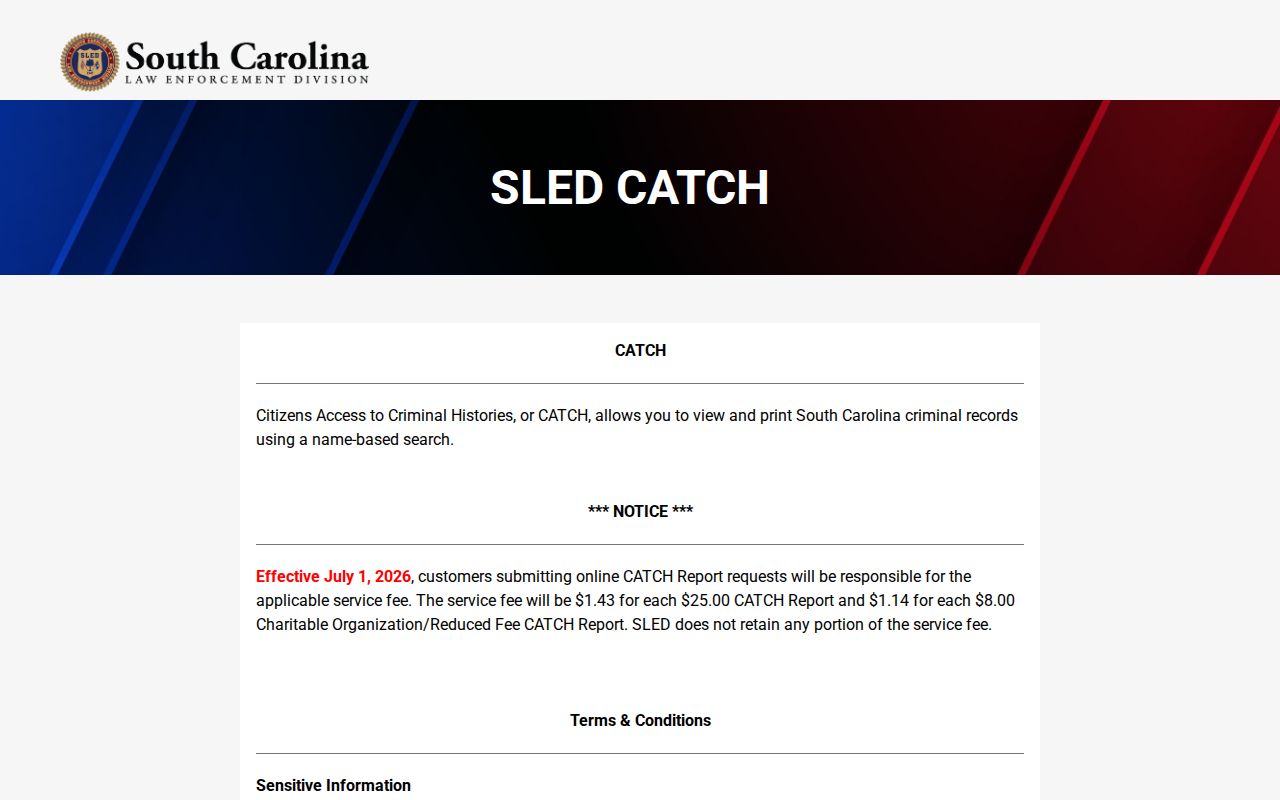
A name-based state record must be verified through its own terms, current result, and correction process before any conclusion is drawn.
The SLED registry information page directs users to the state public-safety registry, which SLED says can be searched by name or location. It contains qualifying-conviction information under a separate statutory framework, and it is not CATCH. The source review did not expose a live field inventory, so no radius or result-field promise should be made.
The SLED registry gateway illustrates the difference between a dedicated public-safety resource and an ordinary neighbor lookup.
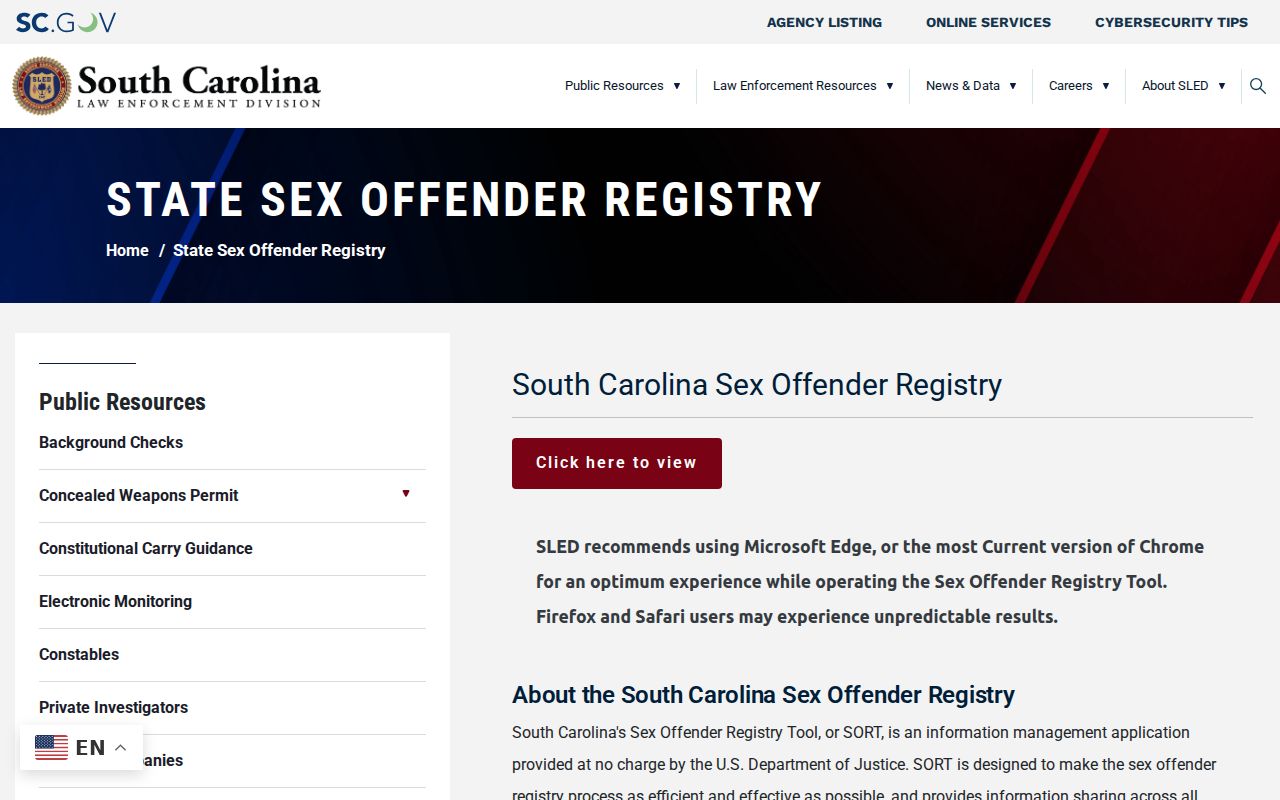
Use any public-safety system only for its stated lawful purpose and never as a reason to target, follow, or contact a person.
Greenwood Neighbors Are Not Households
Greenwood adjacent ownership does not identify every person associated with an address. Greenwood parcel records do not establish household members, protected voters, utility customers, delivery recipients, or people temporarily present. A Greenwood property mailing field does not prove that its addressee occupies the lot. When the question changes from parcel geography to a full Greenwood street record trail, use address and legal-description evidence carefully. Where the source is historical, preserve its date rather than presenting it as current.
Information from a property, court, or public source should never be used for unwanted contact or surveillance. Greenwood records are strongest when they help a reader distinguish a public land or document fact from a private-person assumption.
Privacy Limits for Greenwood Neighbors
South Carolina’s Address Confidentiality Program launched in 2025. The Attorney General explains that it provides qualifying people with a substitute address for government records and mail forwarding, while state and local agencies and courts must accept that address. It does not erase preexisting records, but it does mean an official address display cannot be treated as a universal locator. The program is administered through the Attorney General’s Address Confidentiality Program.
The Address Confidentiality Program information page describes a protected-address route that can limit what Greenwood neighbor records display.
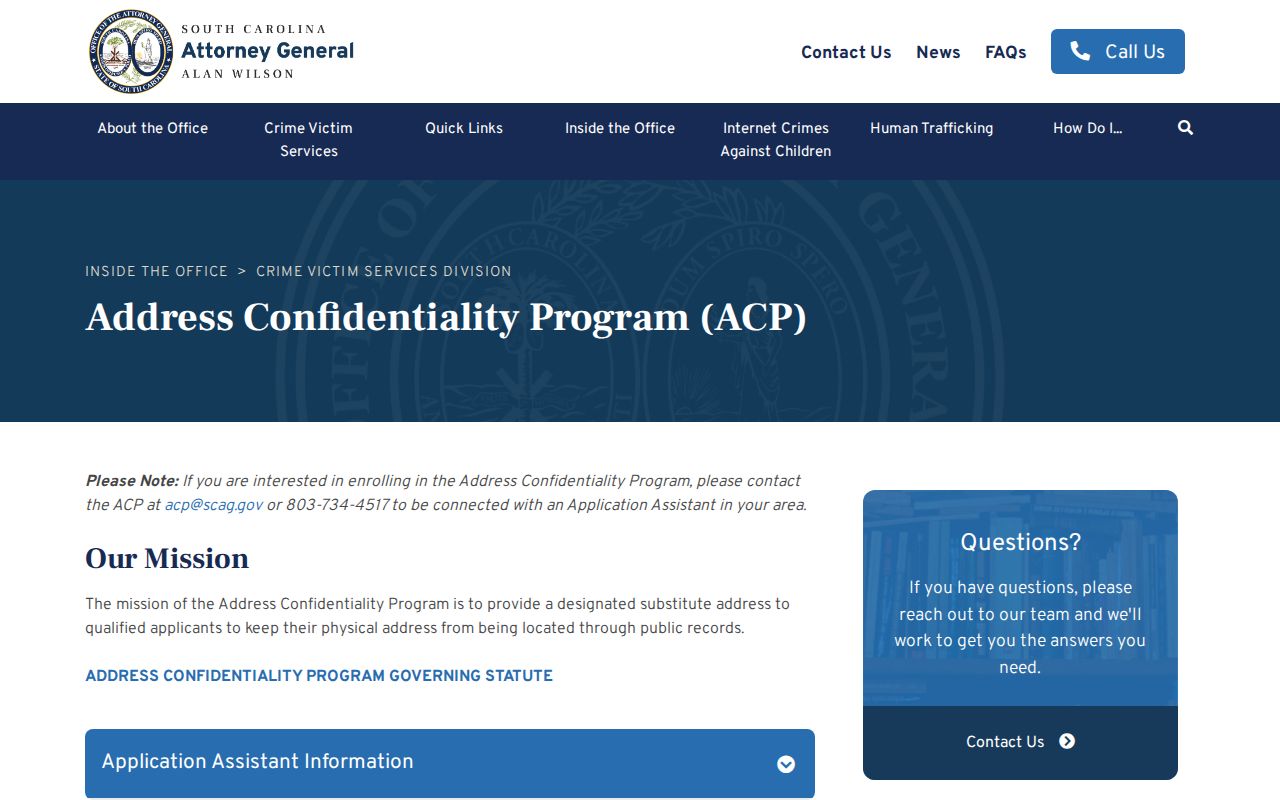
Respect an absent, substitute, or restricted address as a privacy boundary, not as a reason to look for a workaround.
Article 7 of Title 30, Chapter 2 took effect on January 1, 2026 and gives eligible active or former law-enforcement and corrections officers a route to restrict defined online personal-contact information. It is not a general deletion right. The Address Confidentiality Program statute and current custodian procedures govern what can be restricted and how an agency handles a request.
The official South Carolina confidentiality statute is shown as a legal boundary for Greenwood neighbor research.
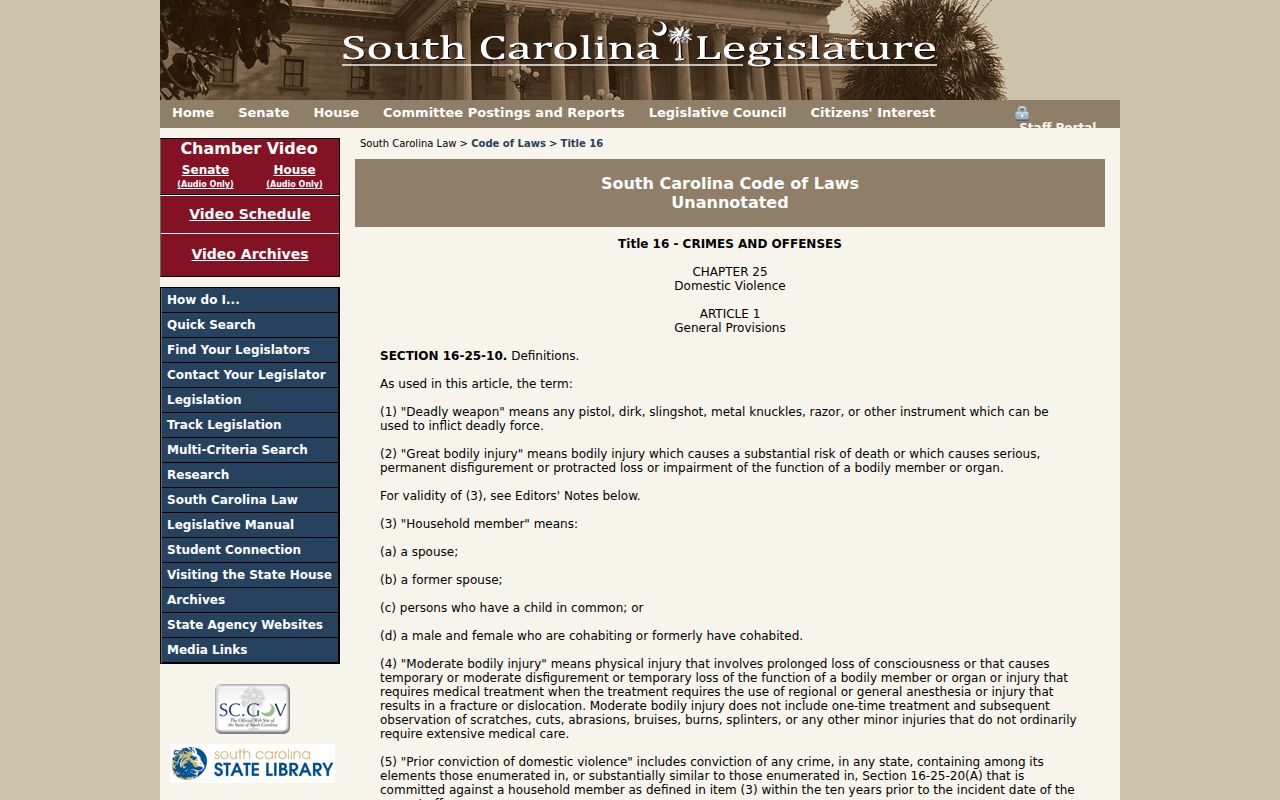
Clerk and ROD sensitive-data redaction requests may be made in writing with precise page identification, and the Clerk says there is no fee for that redaction request.
SC FOIA opens existing nonexempt agency records, not every record a person may want. A bounded request through Greenwood County NextRequest should identify the custodian, address or parcel, date span, record sought, preferred format, and cost ceiling. Confidential court matters, vital records, safety-protected information, and other exempt material remain outside that process.
The official South Carolina FOIA text explains the state access framework that applies to a Greenwood County request.
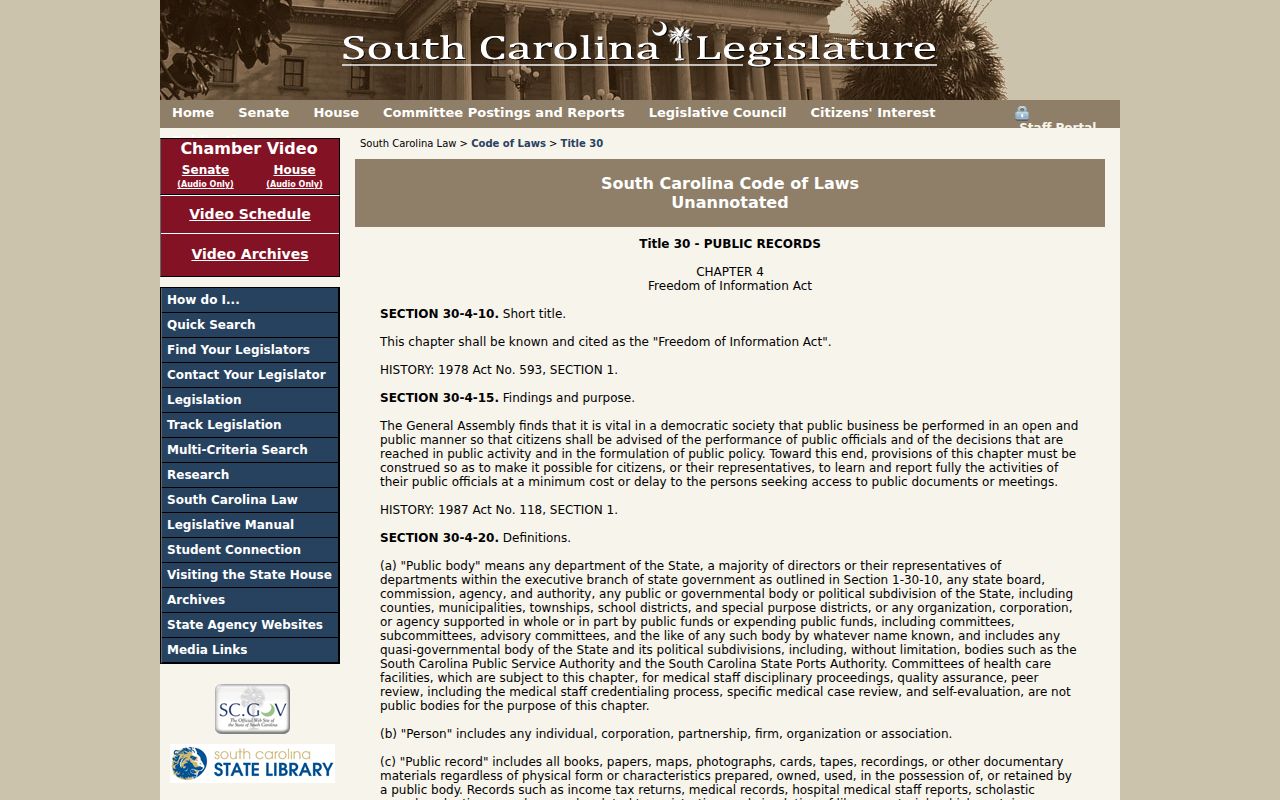
A narrow request for an existing record is more useful to a custodian than a demand for all information about people near an address.
South Carolina harassment and stalking laws prohibit patterns of unwanted intrusion and conduct intended to cause fear. The state law on harassment and stalking is a clear boundary for any information drawn from a public record.
The official South Carolina harassment and stalking law states the safety limit that applies to Greenwood neighbors research.
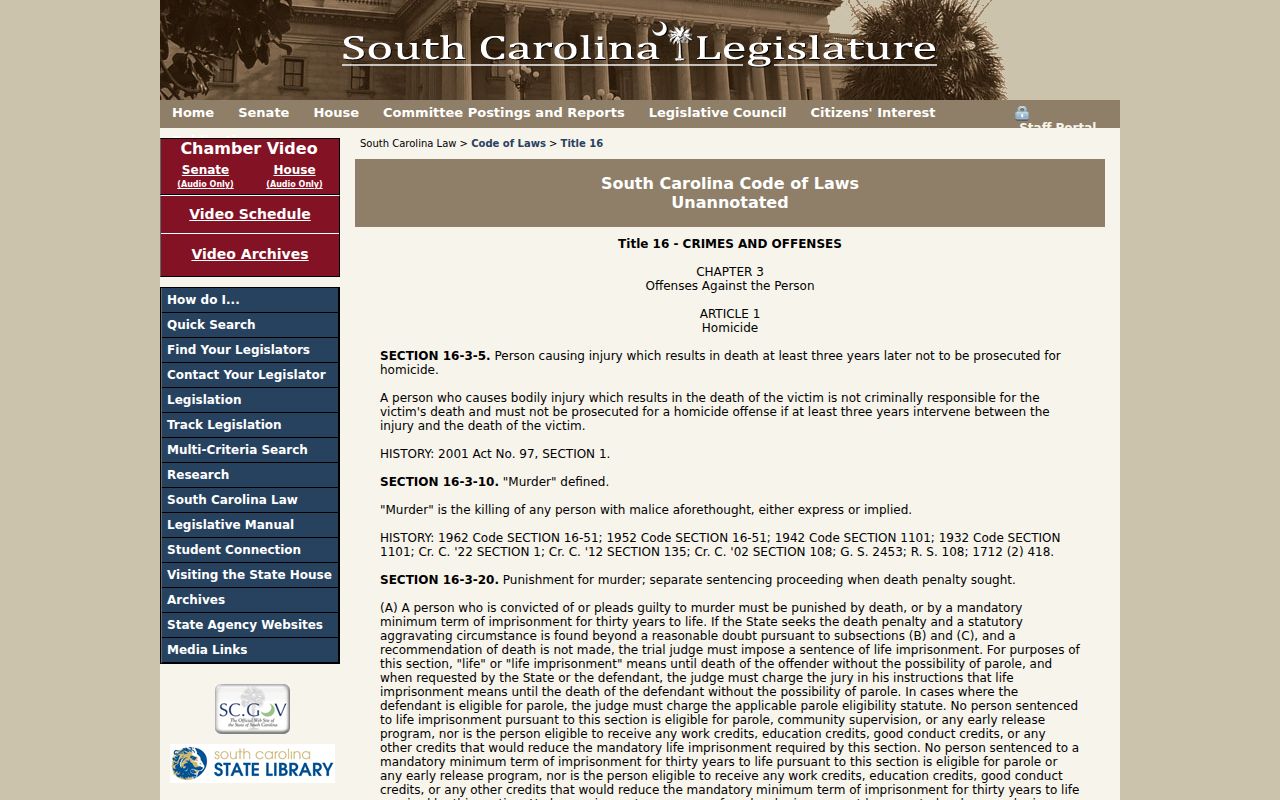
Preserve messages, dates, witnesses, and report numbers for threatening or repeated unwanted contact, and seek immediate emergency help when a threat is immediate.